
The Triple Helix and Beyond — A New Era
XVI Triple Helix Conference · The University of Manchester · 5th – 8th September 2018
Conference DetailsHeadquarters
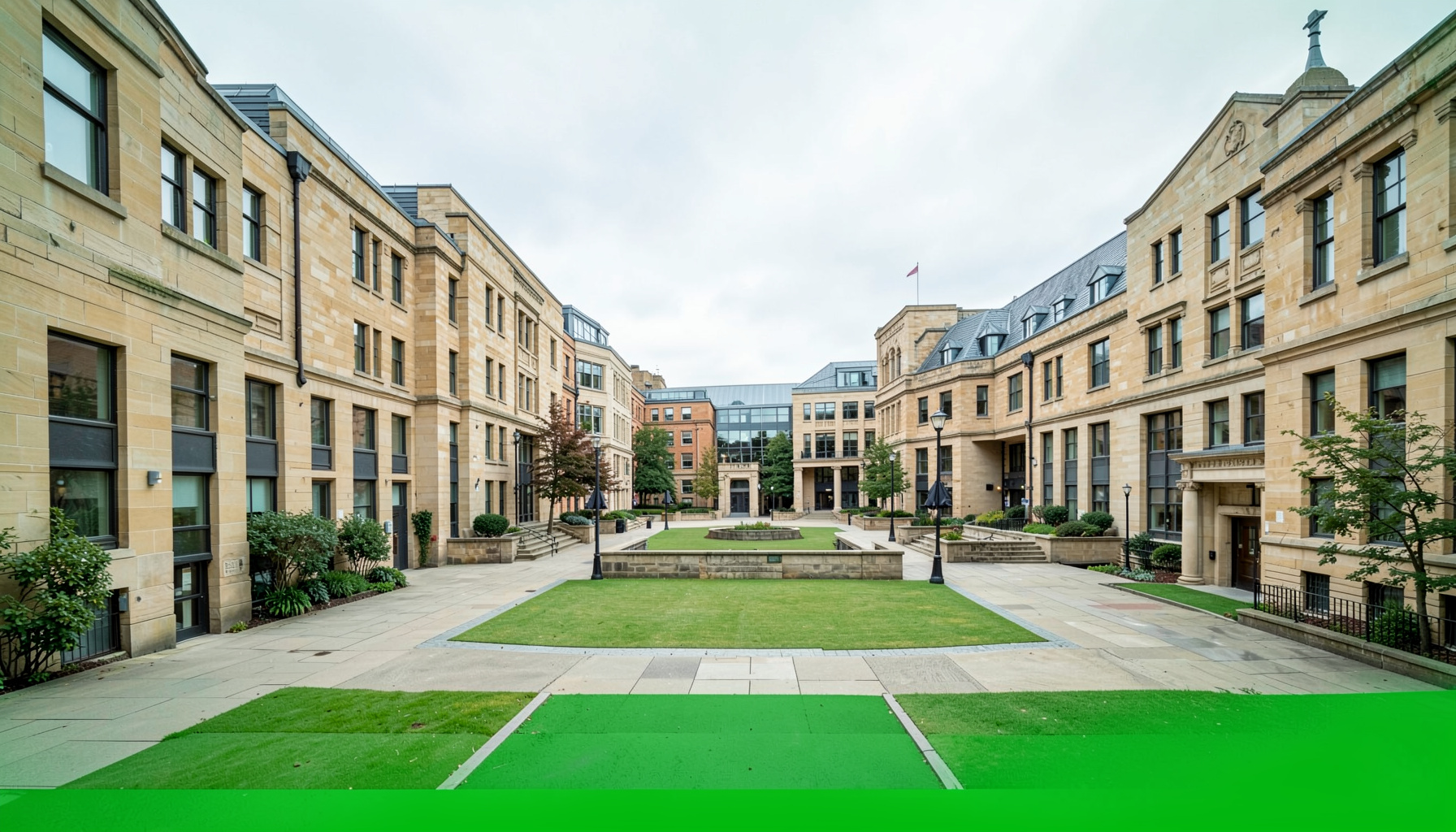
The University of Manchester
Oxford Road, Manchester M13 9PL, United Kingdom
5th – 8th September 2018
Photo Gallery
Manchester 2018
About Us
The Triple Helix Movement


The Triple Helix movement was launched in 1996 by Prof. Henry Etzkowitz and Prof. Loet Leydesdorff, following a pioneering workshop in Amsterdam. The first international conference was held in Amsterdam that same year, with the second following in New York in 1998.
Subsequent bi-annual conferences took place in Rio de Janeiro (2000), Copenhagen, and Lund, steadily building a global community of scholars, policymakers, and practitioners.
The Triple Helix model of innovation brings together three distinct spheres — academia, government, and industry — in a dynamic framework that fosters collaboration and shared progress. Rather than treating these sectors as isolated entities, the approach recognises that the most powerful solutions emerge when their strengths intersect, creating fertile ground for new ideas, economic development, and societal advancement. This foundational principle continues to shape how regions and nations design policies aimed at stimulating knowledge-driven growth.
At the heart of the conference lies a commitment to diversity and inclusion, ensuring that voices from across disciplines, career stages, and backgrounds contribute to the discourse. A varied programme of keynotes, panel discussions, and poster sessions invites fresh perspectives on how collaborative innovation can address persistent inequalities and open pathways for underrepresented groups. By actively promoting inclusive participation, the gathering reflects a broader understanding that equitable progress requires everyone to have a seat at the table.
Cities play an increasingly vital role as enabling spaces where the interactions between university researchers, public authorities, and private enterprise can flourish. Urban environments concentrate talent, infrastructure, and cultural energy, making them natural laboratories for testing new approaches to sustainability, mobility, and social wellbeing. The conference explores how metropolitan regions can intentionally design ecosystems that accelerate the translation of research insights into tangible improvements for communities.
The conference programme is structured to balance high-level strategic thinking with practical, hands-on learning. Alongside keynote addresses from leading voices in the field, attendees can participate in master classes, career development sessions, and guided tours that showcase innovation in action. Early career researchers are particularly encouraged to engage, with dedicated awards and presentation opportunities designed to support the next generation of thinkers shaping the Triple Helix landscape.
The call for abstracts invites contributions that extend and challenge the established boundaries of the Triple Helix framework. Submissions may explore themes such as regional economic transformation, environmental sustainability, policy experimentation, and the evolving relationship between digital technologies and collaborative governance. Each accepted paper or poster adds to a growing body of knowledge that helps refine how societies organise themselves around shared innovation goals.
Moving beyond the original triadic model, the conference theme signals an openness to new configurations of partnership that reflect contemporary realities. Civil society organisations, community groups, and social enterprises increasingly occupy essential roles in innovation networks, complementing the traditional university-government-industry triad. This expanded vision acknowledges that complex challenges — from climate change to public health — demand a broader coalition of actors working in concert.
The setting in Manchester provides a fitting backdrop for conversations about reinvention and resilience. With its deep industrial heritage and ongoing transformation into a centre for research, digital enterprise, and cultural investment, the city exemplifies the kind of adaptive capacity that the Triple Helix approach seeks to understand and encourage. Delegates will find themselves immersed in an environment where history and forward-looking ambition coexist.
Registration opens a pathway not only to the formal sessions but also to the informal exchanges that often prove equally valuable. Social events, networking breaks, and shared accommodation arrangements create the conditions for serendipitous connections and lasting collaborations. In this sense, the conference functions as a temporary ecosystem in its own right — a concentrated space where the very interactions it studies are brought to life among participants.
The XVI conference in Manchester brought together academia, government, business, and community stakeholders around the theme "The Triple Helix and Beyond — A New Era."
- Economic progress and social development
- Sustainability and innovation policy
- University–industry–government collaboration
- Early-career researcher engagement
Contact Us
Get in Touch
Conference Partners International
Peter House, Oxford Street, Manchester M1 5AN
+44 161 209 3354
thc2018@thc2018.org