
Tours
Friday 7th September 2018
On Friday 7th September 2018, conference attendees had the opportunity to join technical tours exploring real-world triple helix interactions across Manchester. Each tour was led from a distinct perspective — industry, academia, and the innovation cluster — offering insight into how collaboration drives economic progress and social development in the region.
The tours were priced at £36 per person and could be booked through the conference registration platform.
The Triple Helix model of innovation emphasises the dynamic relationships between academia, industry, and government as essential drivers of economic and social progress. The 2018 conference in Manchester brought together researchers, policymakers, and business leaders to explore how these partnerships can address the significant societal, environmental, and political challenges of our time. Through shared knowledge and collaborative practice, delegates examined how cities can act as enabling spaces for productive interaction among these three spheres, fostering sustainable development and advancing the frontiers of innovation. The event underscored the importance of inclusive, cross-sector dialogue in shaping a more resilient and equitable future.
Manchester itself provides a compelling case study of triple helix collaboration in action. The city has long been a site where academic research, industrial ambition, and public policy intersect to drive regeneration and growth. Conference technical tours offered participants a firsthand look at this ecosystem, from innovation districts and research corridors to business incubators rooted in university-industry partnerships. These visits illustrated how physical and institutional infrastructure can be designed to encourage the spontaneous exchanges and structured cooperation that fuel knowledge transfer. Observing these real-world interactions gave attendees practical insights into how similar models might be adapted elsewhere.
Technical tours during the conference allowed attendees to move beyond abstract discussion and observe the tangible outcomes of triple helix collaboration. Walking through innovation clusters and speaking directly with practitioners, participants gained a grounded understanding of how policy frameworks, research priorities, and commercial strategies align to produce measurable impact. These experiences highlighted both the successes and the ongoing challenges of maintaining productive cross-sector relationships over time. For delegates from diverse international backgrounds, the tours served as a rich source of comparative perspective, offering lessons that could inform their own regional approaches to fostering innovation through partnership.
Tour Options
Explore Manchester's Innovation Landscape

Oxford Road Corridor
This tour explored Manchester's knowledge quarter along Oxford Road, home to two universities, teaching hospitals, and a growing cluster of science and technology businesses. Attendees saw first-hand how proximity and partnership fuel innovation in one of the UK's most concentrated research environments.

Manchester Science Partnerships
Led from an industry perspective, this visit showcased Manchester Science Partnerships — a major science and technology park supporting over 150 companies. The tour highlighted how business, research, and public-sector collaboration drives commercial innovation and regional growth.
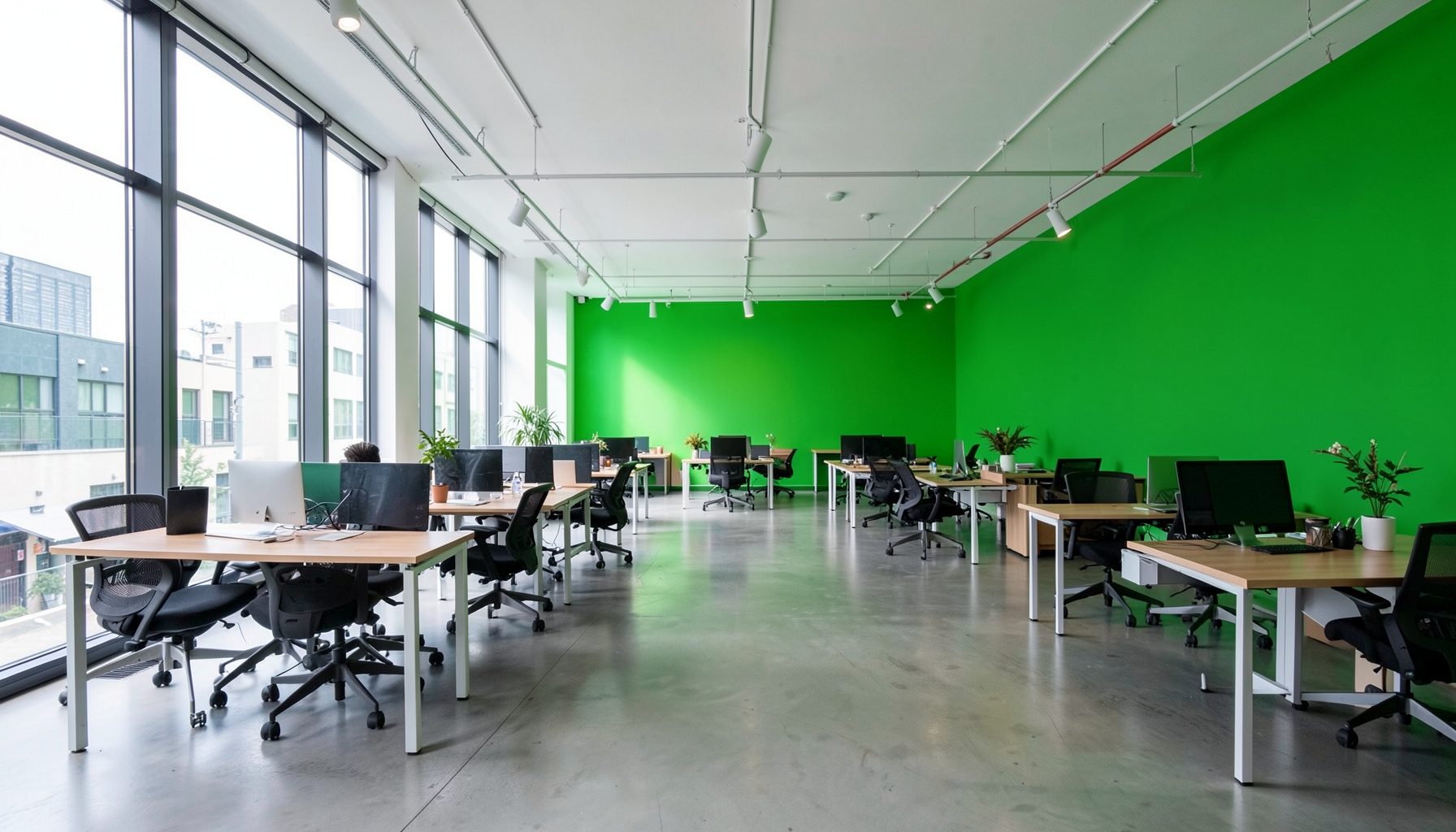
University of Manchester Innovation Centre (UMIC)
This tour, led from an academic and cluster perspective, took attendees through the University of Manchester Innovation Centre. UMIC supports spin-out companies and research commercialisation, demonstrating the university's role in bridging academic discovery with market-ready solutions.
With thanks to our partners
Tour Partners
The technical tours were made possible through the generous support and collaboration of Manchester's innovation community, including Oxford Road Corridor partners, Manchester Science Partnerships, and the University of Manchester Innovation Centre.